
 +86-0573-88528475
Zoek op berichten
Productcategorie
Industrnieuws
 Door admin
Flag Pole Cleat Guide: Types, Installation, and Maintenance for Your Flagpole
You just raised a new flag to the top of the pole, and the halyard is sliding back down. The fitting that stops that from happening is a flag pole cleat. It is a small part, but it controls how often you re-tie the rope and how long the rope stays serviceable. Whether you are assembling a new pole, swapping out a worn component, or rigging a temporary display for an outdoor event, the cleat deserves attention before the flag goes up. The cleat is the anchor point for the halyard at the base of a flagpole. It is what makes the flag stay up, stay down, or change position without slipping. Without a cleat, you either have to tie a permanent knot or hold the rope by hand. Both options create waste and frustration. A properly matched cleat will hold a 4 mm rope firmly in a 20 mph wind, release cleanly when you want to lower the flag, and prevent the rope from chafing against the pole. The practical impact is simple: fewer adjustments, less rope wear, and a flag that stays at the height you set for it. It also affects safety. A halyard that slips unexpectedly can send a flag slapping against a facade or a vehicle, which damages both the flag and the surface. A cleat that grips consistently eliminates that risk in most field conditions. Cleats are usually categorized by the material they are made from and the gripping mechanism they use. The table below summarizes the most common options so you can quickly compare them against your installation conditions. Aluminum is the most common choice for outdoor flagpoles because it is strong, lightweight, and resistant to weathering. It also costs less than stainless or nickel silver. For a residential pole that sees moderate wind and occasional rain, an aluminum cleat with stainless steel screws will last for many years. In coastal or industrial environments, look for marine-grade or anodized aluminum to reduce pitting. Nylon cleats grip the rope well because they are slightly resilient, and they do not conduct electricity. That makes them useful inside buildings, on temporary staging, or near electrical equipment. The limitation is ultraviolet light: nylon exposed to direct sunlight will become brittle and lose strength faster than metal. Plan on replacing a nylon cleat every two to three years if it is outdoors. Nickel silver cleats offer a polished look and a high level of corrosion resistance while remaining strong enough for most flagpole applications. They are often chosen for architectural installations, on custom poles, or in settings where the fitting is visible near a doorway or along a facade. The extra cost is justified when appearance and durability matter as much as function. Cam cleats use a spring-loaded toothed wedge to grip the halyard automatically. You simply pull the rope upward to raise the flag; the cam locks it in place, and a downward pull releases it. This is the fastest option for people who change flags often, such as event organizers or boat owners. The trade-off is that cam cleats are more sensitive to rope diameter. A rope that is too thin will slip, and a rope that is too thick will jam. The first decision is matching the cleat size to your halyard. Measure the rope diameter and select a cleat whose opening is roughly 30 to 50 percent larger than the rope. A 4 mm rope works best with a cleat opening around 5.5 to 6 mm. If the opening is too tight, the rope will catch and unravel; if it is too loose, the rope will slide even after a full wrap. The second decision is the mounting surface. Your flagpole diameter determines the distance between screw holes. A cleat for a 50 mm pole will not fit a 25 mm pole. The thickness of the pole wall also matters, especially for plastic or PVC flagpoles. If the wall is thin, use shorter screws or add a backing plate to avoid cracking. When sourcing a cleat, also confirm the halyard slot width inside the top pulley. If the rope is too thick for that slot, the cleat cannot pull it straight. If the rope is too thin, the pulley will chafe it and the cleat will struggle to grip. The best setup keeps the pulley slot, the cleat opening, and the rope diameter within the same specification range. When you need a flagpole that matches a specific cleat setup, a factory-direct supplier can help you choose the right tube diameter and wall thickness. For outdoor use with a standard halyard, a custom-size hand waving flagpole with a reinforced tube section provides a stable mount and reduces the risk of drilling through the pipe. The same supplier can also advise on whether a single cleat or a kit with a cam cleat is more suitable for your halyard. Proper installation takes about ten minutes. Follow this sequence to get a reliable grip that holds the halyard under load. Wrapping the halyard this way makes the flag secure while still allowing a clean release when you need to lower it. For temporary installations or trade show displays where you are mounting the pole repeatedly, a pole with a thicker wall is easier to drill and re-drill. A fast-delivery factory wholesale hand waving flagpole with consistent wall thickness gives you that flexibility without adding unnecessary weight. Check the cleat as part of your regular flag care routine. Look for loose screws, cracks, pitting, and abnormal wear on the rope where it wraps around the cleat. Tighten screws once a season, and clean off any salt, dirt, or pollen that can accelerate corrosion on metal cleats. Replace the cleat when you see a visible crack, a deep pit, or a bent hook. Aluminum cleats in clean environments typically last five to ten years. Nylon cleats in direct sun should be replaced every two to three years. If the halyard starts to fray near the cleat, the fitting may have a rough edge that is damaging the rope; sand it smooth or replace the cleat. In winter, especially in damp or frozen climates, clear ice crystals and road salt away from the cleat when they melt. For nylon cleats in extreme cold, avoid forcing them when the temperature drops below minus 20 degrees Celsius, because the polymer becomes brittle. In some cases, the problem is not the cleat but the pole itself. A plastic flagpole can develop stress cracks around an over-tightened screw hole, especially when it is used outdoors in wind. Understanding whether plastic pipe flagpoles are at risk of breaking or bending under stress helps you decide how aggressively to torque the cleat screws. You can read more about plastic flagpole stress risks in our article. For car-mounted or frequently moved displays, choose a flagpole that is designed for that kind of movement. A hand waving flagpole for indoor, outdoor, or offroad use gives you a single pole that can be installed and removed repeatedly without stripping the cleat mount. A flag pole cleat is a small component, but choosing the material, matching the rope diameter, installing it properly, and maintaining it makes all the difference. Start by measuring your halyard, then pick a cleat that fits both the rope and the pole surface. If the pole is plastic, use pilot drills and gentle torque. With the right setup, your flag stays exactly where you put it, time after time. What a Flag Pole Cleat Does and Why It Matters
Types of Flag Pole Cleats
Material Advantages Limitations Typical use Aluminum Lightweight, corrosion-resistant, affordable Can soften under repeated bending in salt air Residential poles, outdoor displays Nylon Non-conductive, no corrosion, low cost UV aging in direct sun, deforms under heavy load Indoor or temporary flag installations Nickel silver Strong, attractive finish, good corrosion resistance More expensive than aluminum Architectural and decorative flagpoles Cam cleat Quick release, works with different rope sizes, no wrapping needed Needs exact rope diameter, catches rope if misaligned Boats, frequent flag changes, temporary banners Aluminum Cleats
Nylon Cleats
Nickel Silver Cleats
Cam Cleats
How to Choose the Right Cleat for Your Flagpole
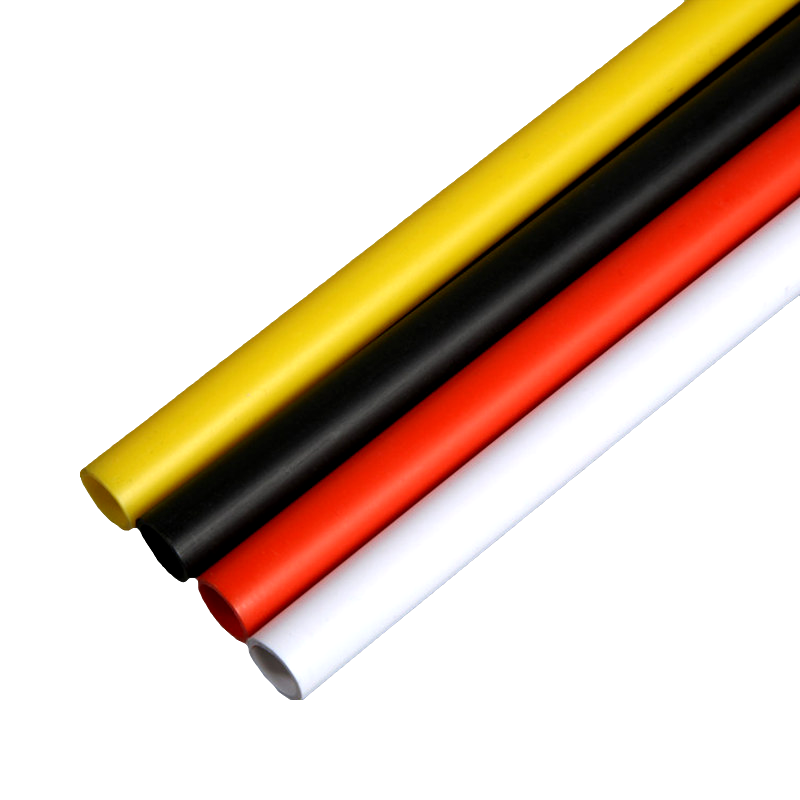
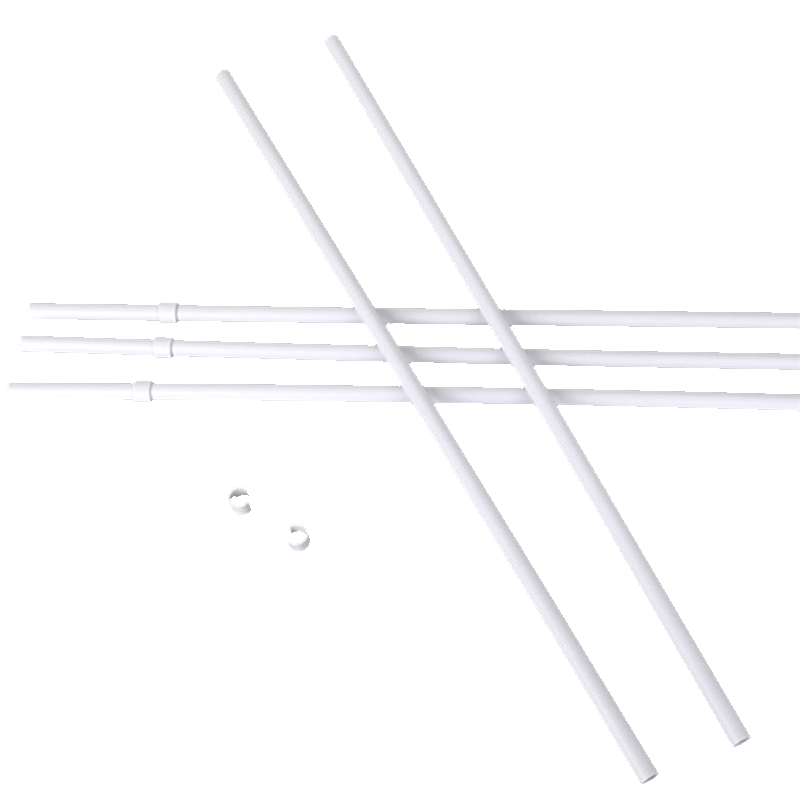
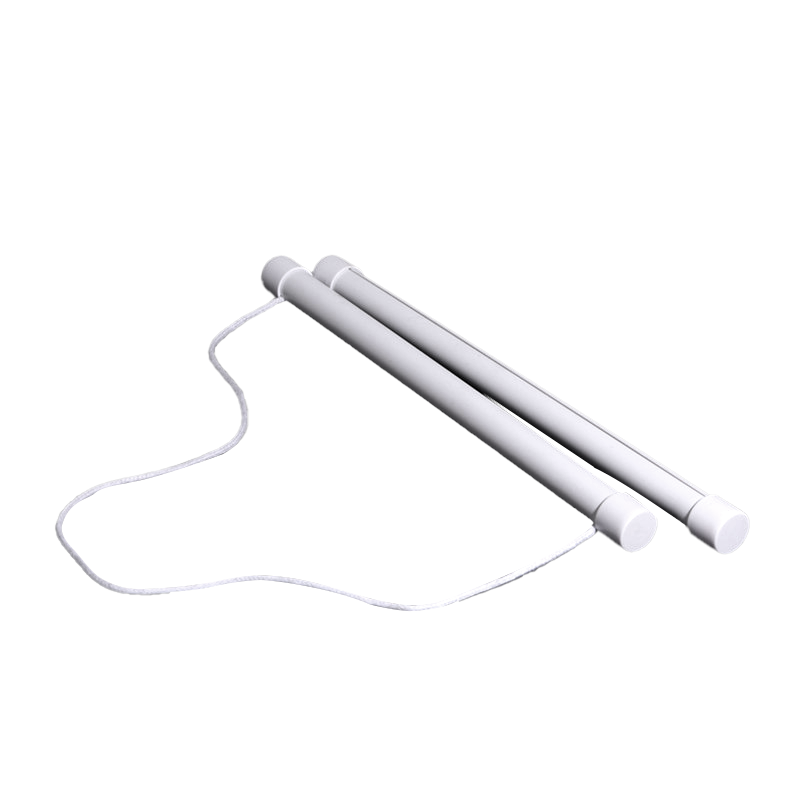
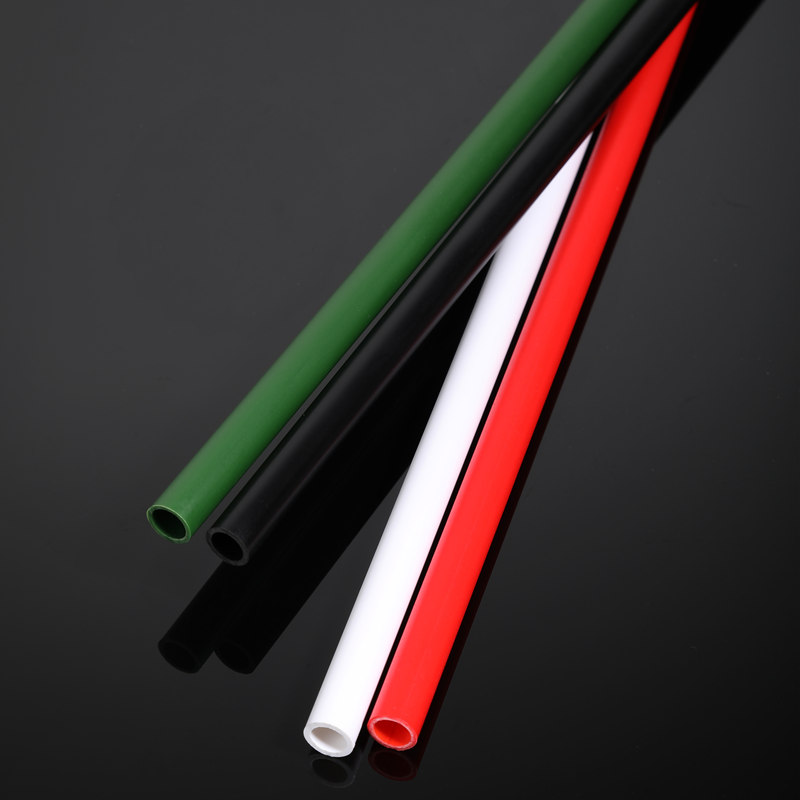 Custom Size Hand Waving Flagpole for Outdoor Halyard Use This plastic flagpole offers custom lengths and colors, ideal for matching a specific cleat setup. Its lightweight design and reinforced tube section support stable outdoor use with a halyard. View Product →
 How to Install and Use a Flag Pole Cleat
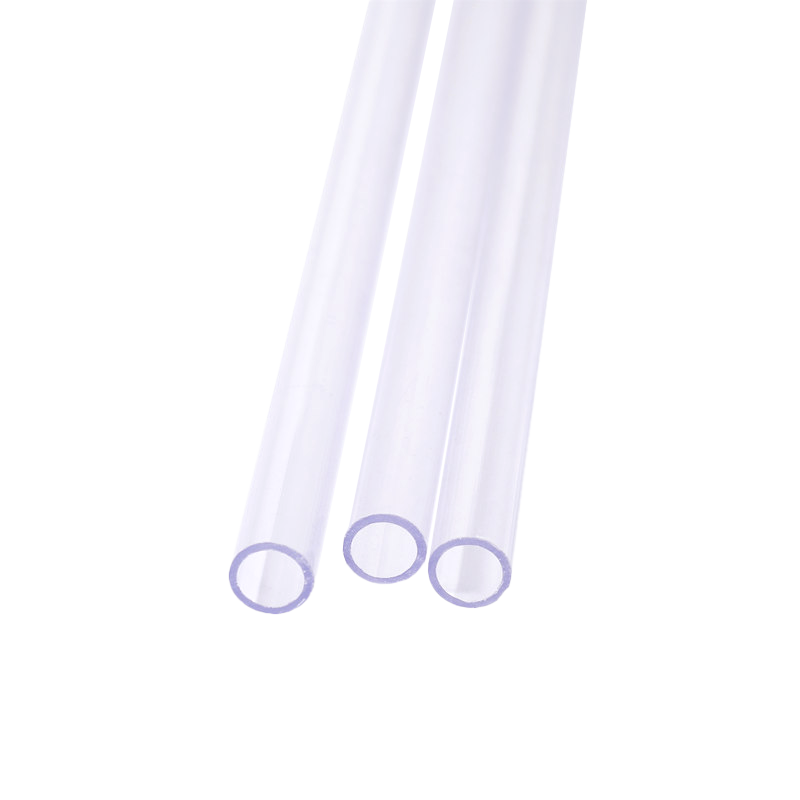
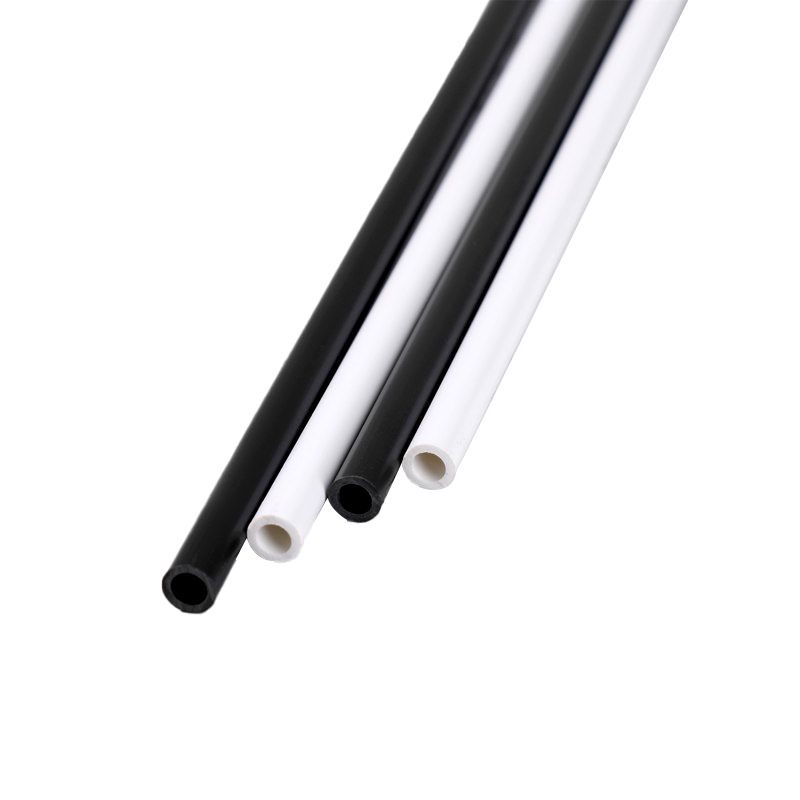
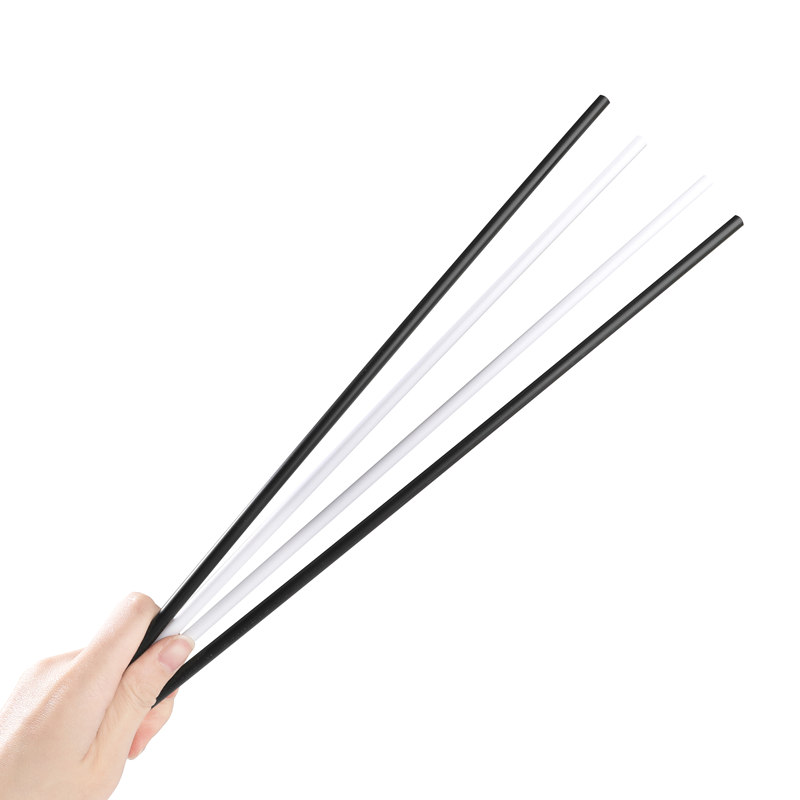 Factory Wholesale PVC Flagpole with Consistent Wall Thickness A fast-delivery PVC flagpole with uniform wall thickness, suitable for repeated mounting. Customizable options make it practical for temporary installations or displays. View Product →
 Maintenance and Replacement
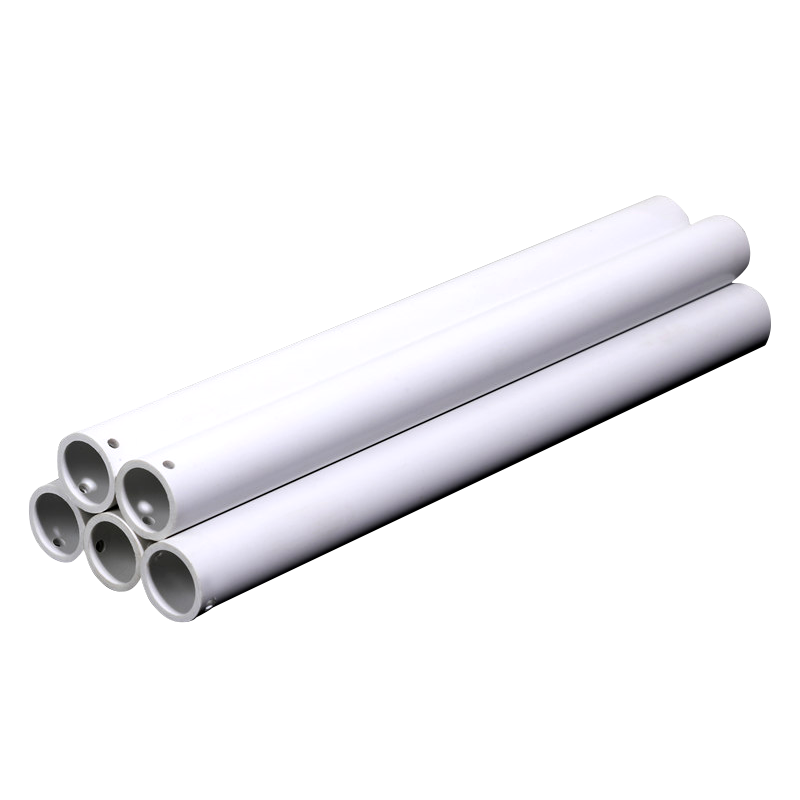
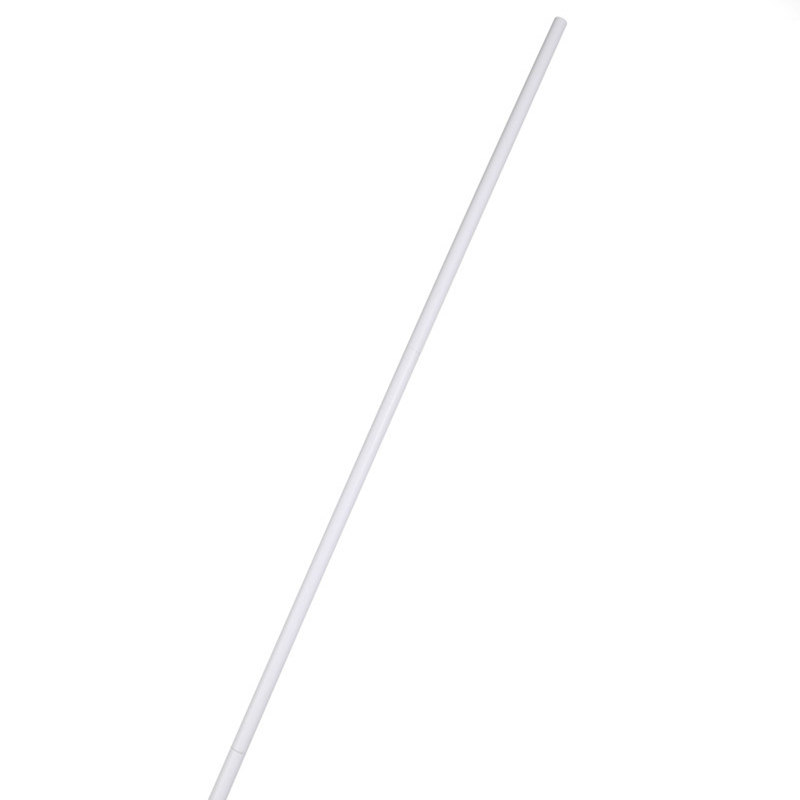 Versatile Hand Waving Flagpole for Indoor, Outdoor, and Offroad Use Designed for cars or frequent relocation, this flagpole withstands repeated installation and removal. Its durable plastic construction is suited for various environments. View Product →
Aanbevolen producten
-
2023 Nieuwe goedkope plastic pijp meerdere kleuren en maten aangepaste handgeleide vlaggenmast
-
Groothandel aangepast PVC Materiaal Indoor Desktop Flagpole Handgolven Vlaggenmast
-
Aanpasbare maat aangepaste logo kunststoffen hand waaiende vlaggenpole grote PVC vlaggenpool
-
Plastics hand zwaaiende vlaggenpole fabriek directe aangepaste groothandel PVC vlaggenmastonderdelen pijp
-
Aangepaste eenvoudige installatie Veiligheid vlaggenpole PVC China Factory Hand WAVEN FLAGPOLE
-
Nieuw populair product transparante PVC vlaggenpool aangepaste size handgegeleide vlaggenmast
-
2023 Hoogwaardige hand zwaaien
-
Snelle levering promotie fabriek groothandel vlaggenpool pvc pijp handgolven vlaggenmast
-
2023 Gepersonaliseerde aangepaste bureau Hand Golven vlaggenmast buiten witte vlaggenmast
-
Groothandel 2023 Hot Sale gebruikte vlaggenpoolgewicht Aangepaste PVC handgolven vlaggenmast
-
Groothandelsproducten goedkope hoogwaardige hand waaiende vlaggenmast nieuwste secties vlaggenmast
-
Groothandel goedkope hoogwaardige hot sale vlaggenpole cilindrische hand zwaaiende vlaggenmast

Volg ons:
Copyright © Tongxiang Guangyu Plastic Products Co., Ltd. Rights Reserved.
